
Why Carpet Tiles Are a Practical Choice for Offices
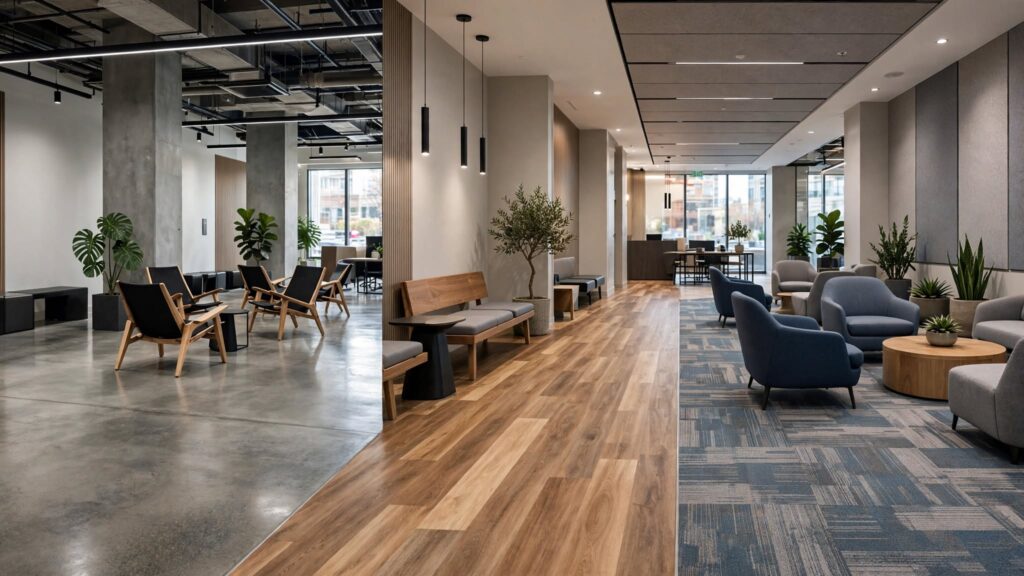
Office flooring has to cope with a mix of daily demands. Employees move between desks and meeting rooms, chairs roll across workstations, visitors pass through reception areas, and occasional spills are almost unavoidable. At the same time, the floor contributes to the appearance and comfort of the workplace.
Carpet tiles offer a practical way to address these needs. Unlike broadloom carpet, which is installed in large continuous sections, carpet tiles come in individual modular pieces. This format makes them easier to install, maintain, replace, and adapt as an office changes over time.
What Makes Carpet Tiles Suitable for Office Environments?
The modular design is the main feature that separates carpet tiles from traditional carpet. Instead of covering an entire room with one large piece of material, installers work with smaller sections arranged across the floor.
This approach can be useful in open-plan offices, conference rooms, private offices, corridors, reception spaces, and other commercial interiors. Different tile layouts can also help define areas within a larger workspace without requiring walls or permanent partitions.
When How to Choose the Right Flooring Solution for Commercial Spaces is part of the planning process, factors such as foot traffic, maintenance needs, acoustics, appearance, and future changes all deserve attention. Carpet tiles fit naturally into that discussion because their modular format provides flexibility in several of these areas.
Easier Replacement of Damaged Areas
One of the most practical benefits of office carpet tiles is localized replacement. Damage to traditional broadloom carpet may affect the appearance of a much larger section of flooring. With carpet tiles, an individual stained, worn, or damaged tile can often be removed without disturbing the rest of the floor.
For example, a coffee spill beside a workstation may permanently mark a small area. If matching replacement tiles are available, the affected section can be changed rather than replacing carpet across the entire room.
This can simplify ongoing office flooring maintenance, particularly in spaces where certain areas experience heavier use than others.
Keeping Spare Tiles Can Be Useful
Businesses using carpet tiles may want to retain some unused tiles from the original installation. Having matching pieces available can make future repairs easier, especially if a particular pattern or finish is later changed or discontinued.
Replacement tiles should still be checked against the existing floor because normal wear and exposure can gradually change the appearance of installed material.
Practical Installation for Different Office Layouts
Carpet tiles can work with many office configurations because installers handle relatively small pieces rather than large carpet rolls. This can be useful in spaces with columns, corners, built-in furniture, or irregular floor plans.
The modular format can also make future layout changes more manageable. If an office is reorganized, selected areas may be easier to adjust or repair without removing flooring throughout the entire space.
Proper floor preparation remains important. The subfloor should be clean, dry, stable, and suitable for the installation system being used. Uneven or poorly prepared surfaces can affect the finished appearance and how well the tiles remain in position.
Carpet Tiles Can Support a Quieter Workspace
Noise is an important consideration in offices, particularly in open-plan environments where conversations, footsteps, rolling chairs, and general movement happen throughout the day.
Carpeted surfaces can help reduce some of the sound created by foot traffic and objects contacting the floor. This does not make carpet tiles a complete acoustic treatment, but they can form part of a broader approach to managing workplace noise.
Other features, including ceiling treatments, partitions, furniture, wall materials, and room layout, also influence office acoustics.
Design Flexibility Without Complicated Changes
Commercial carpet tiles are available in different textures, patterns, and neutral or contrasting finishes. Their modular nature allows designers to use flooring as part of the office layout rather than treating the entire floor as one continuous surface.
For instance, one pattern might identify a collaborative area while another creates a visual pathway through the office. Subtle changes in tile direction can also create variation without introducing several unrelated materials.
This flexibility can be particularly useful in large offices where flooring needs to support wayfinding while maintaining a consistent overall interior design.
Maintenance Can Be Focused Where It Is Needed
Office floors do not wear evenly. Entrances, corridors, printer areas, break rooms, and frequently used workstations often experience different levels of traffic.
Carpet tiles allow maintenance teams to concentrate on specific areas. Routine vacuuming can address everyday dust and debris, while individual tiles can receive additional attention when spills or localized stains occur.
The correct cleaning method depends on the carpet tile material and manufacturer guidance. Excess moisture, unsuitable cleaning products, or aggressive treatment may affect the tile or its backing, so maintenance procedures should match the installed product.
Important Limitations to Consider
Carpet tiles are practical, but they are not automatically suitable for every office or every part of a building. The condition of the subfloor, expected traffic, moisture exposure, cleaning requirements, chair movement, and desired appearance should all be considered before installation.
Tile seams may also remain visible depending on the product and installation pattern. Some designs intentionally emphasize the modular appearance, while others aim for a more continuous look.
Areas exposed to frequent water, heavy dirt, or specialized operational requirements may benefit from a different flooring material. Choosing office flooring should therefore be based on how each space is actually used rather than applying one material everywhere.
Choosing Carpet Tiles for Long-Term Office Use
Before selecting carpet tiles, consider the daily demands of each area. A reception space may prioritize appearance and frequent foot traffic, while a meeting room may place greater emphasis on comfort and acoustics. Workstation areas may need flooring that accommodates regular chair movement and straightforward maintenance.
It is also worth considering future access, repairs, and replacement when choosing colors and patterns. A flooring system that works well on installation day should remain manageable as the workplace evolves.
Conclusion
Carpet tiles provide offices with a useful combination of modular installation, targeted maintenance, design flexibility, and straightforward replacement of individual damaged sections. They can also contribute to a softer, quieter working environment compared with many hard flooring surfaces.
Their suitability ultimately depends on the conditions and needs of the individual workplace. By considering traffic patterns, maintenance, subfloor preparation, acoustics, and future layout changes, businesses can determine whether carpet tiles are a practical fit for their office space.